


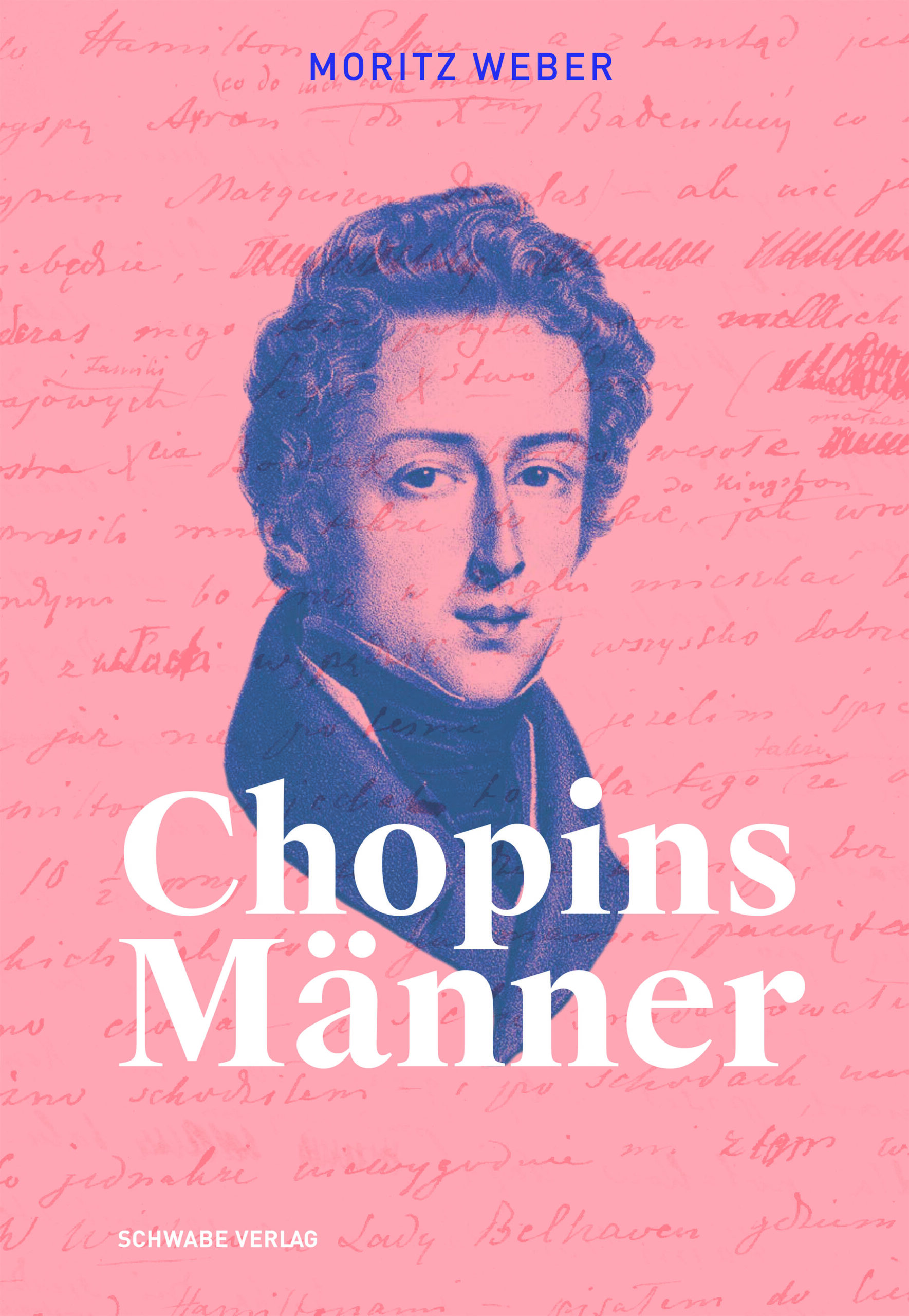
Chopins Männer
Moritz Weber presents his extensive Chopin biography at Qwien
A Review from Andreas Brunner
„Ich drücke dich herzlich, direkt auf die Lippen […] Gib einen Kuss.“
“I embrace you warmly, right on the lips […] Give me a kiss.”
“There is nothing I desire more than to see you.”
“My life; […] I want to cuddle with you. Let me embrace you once more.”
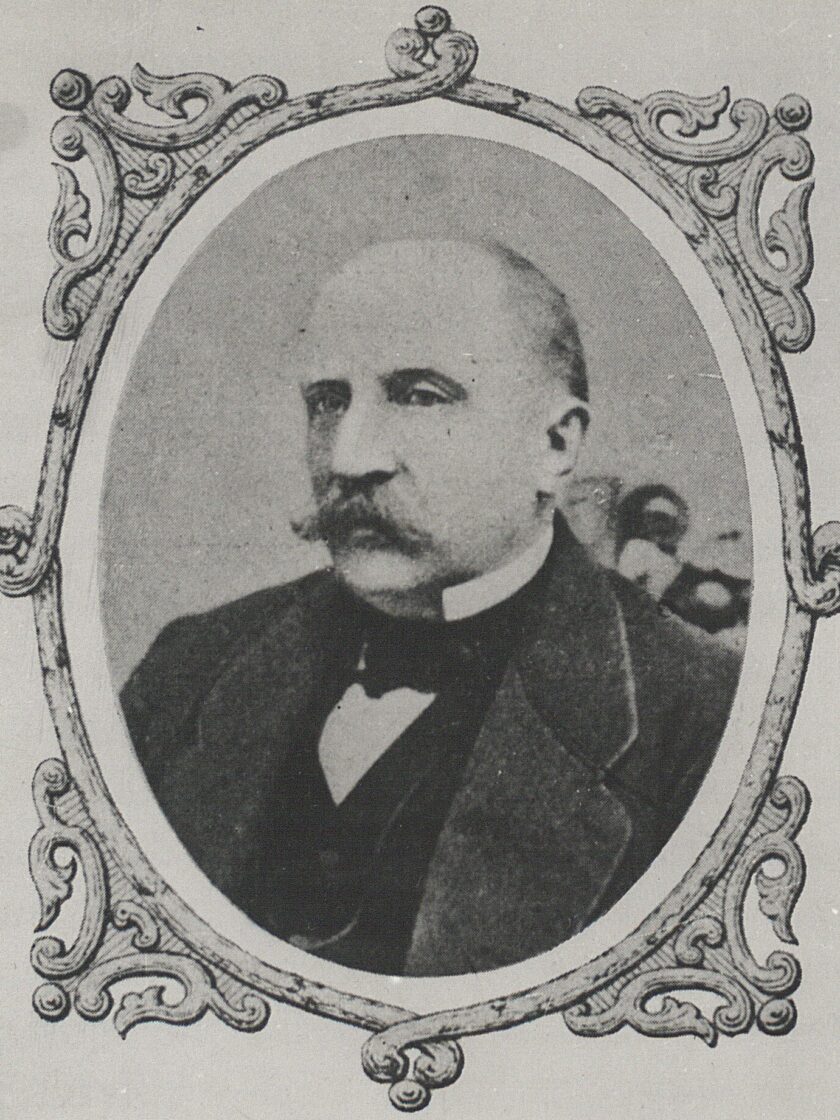
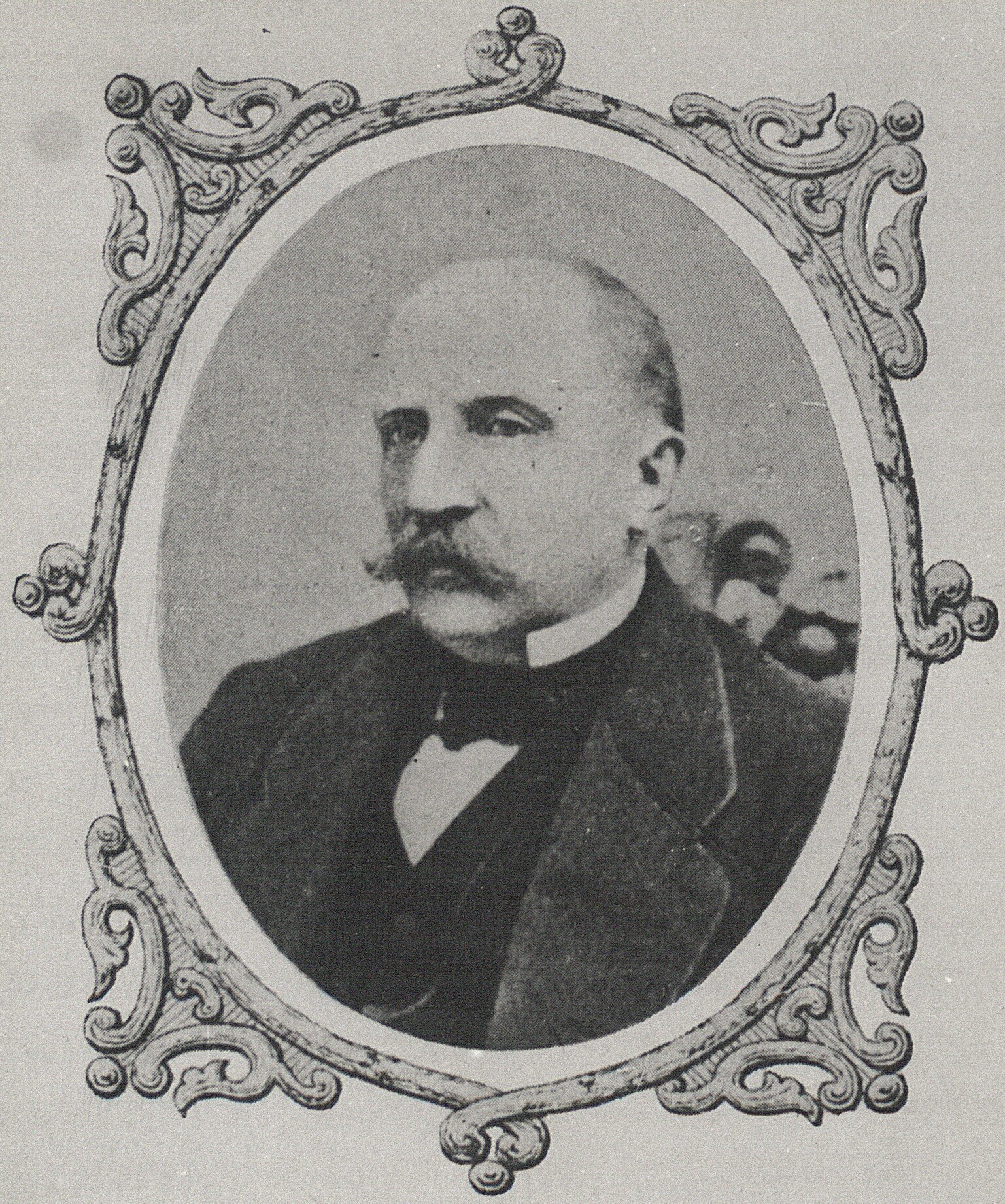
The composer Frédéric Chopin, deeply in love, addressed these declarations not to a supposed mistress but to a man: Tytus Woyciechowski, the great love of his life, with whom he also lived in Vienna for several weeks in 1829.
“Give me a kiss, dearest beloved. I am convinced that you still love me, and I always fear you as one fears a tyrant, my tyrant […]”, Chopin confesses to his Tytus.
A Heterosexualised Chopin
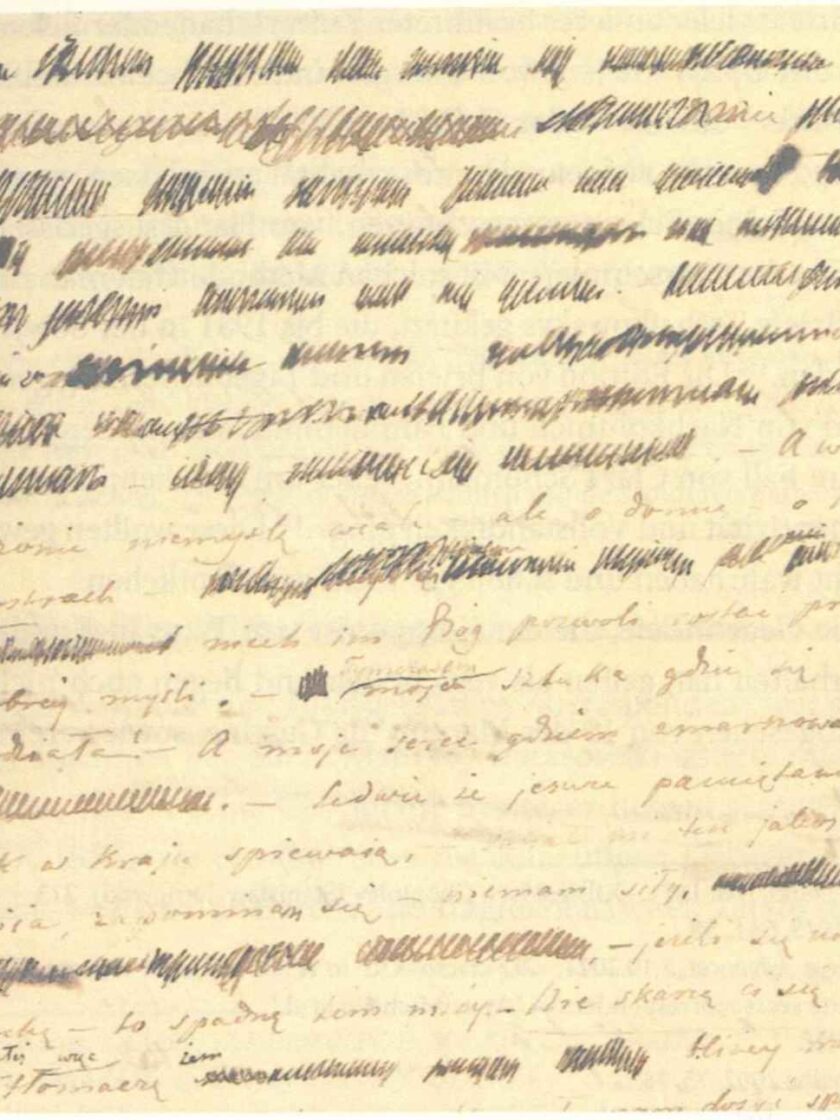
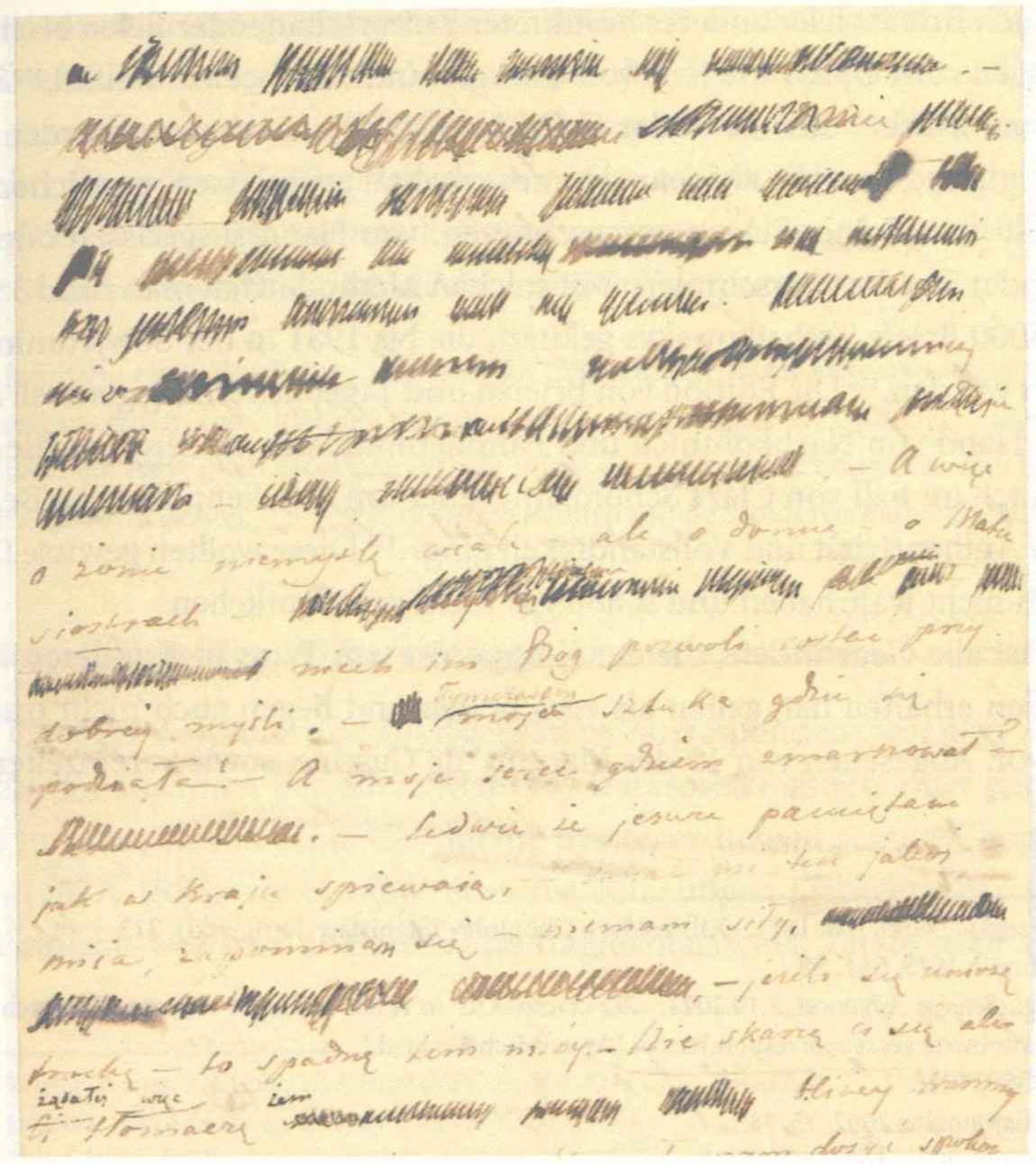
While mainstream cinema celebrates an entirely fictional love affair between Chopin and George Sand, the Swiss musicologist Moritz Weber presents a biography of more than 500 pages on Chopin and his men, meticulously researched on the basis of the surviving sources. Weber reveals how the image of a heterosexual Chopin was constructed. Numerous letters were mutilated and censored so that Chopin’s declarations of love to his men would no longer be recognisable.
To this day, Chopin scholarship distorts its sources, to the point that personal pronouns in translations of the letters are (knowingly) falsified. A “he” suddenly becomes a “she”, a male lover becomes a female one. Weber had existing translations reviewed and retranslated by certified translation agencies in order to clarify ambiguous renderings from the Polish.
Homosexual Subculture
Weber situates his portrait of Chopin as a man who loved men, and who knew that his relationships were liable to criminal prosecution and social ostracism, within the discourses on same-sex desire of his time. He reconstructs a network of relationships, shows spaces for uninhibited encounters and draws on police reports to identify places that Chopin and his closest friends frequented and that were known to the police as homosexual meeting places.
In those years Paris was regarded as an exceptionally permissive city that offered men who desired men many opportunities, whether in the shopping arcades of the Galerie d’Orléans in the Palais-Royal, which Chopin liked to visit, or in various parks and bathhouses.
A Homosocial Milieu
Alongside Tytus Woyciechowski, Weber traces the biographies of twelve men with whom Chopin had close (romantic) relationships in Poland and above all in Paris. It becomes clear that Chopin, much like Franz Schubert, moved in thoroughly homosocial circles.
After more than 450 pages, Weber also turns to Chopin’s “fabled contacts with women” and reaches a sobering conclusion: “Frédéric Chopin never wrote a single love letter to a woman in his entire life, never.”
Chopin’s relationships with women are literary inventions of the nineteenth century. There is “no reliable evidence, no concrete quotations or anything unambiguous in written form” to support them. His friendship with George Sand was no passionate love affair. It was shaped far more by the writer’s maternal affection for the composer, who was by then seriously ill.
What Does This Have to Do with Art?
With heterosexual artists, every emotional stirring is said to find its way into their art. One need only think of Beethoven and his piano pieces supposedly inspired by heartbreak. As soon as homosexuality comes into play, however, people ask what that has to do with art. This ignores the fact that artistic works, as in Chopin’s case, can be an expression of deep love. Chopin dedicated ten piano works to Tytus Woyciechowski, more than to anyone else. His music expressed his feelings for Tytus, as he himself admits in a letter: “I tell the piano what I would so often say to you.”
Weber follows these traces as well and shows how Chopin inscribed his love for Tytus into one of his best-known works: the slow second movement of his Piano Concerto in F minor, set in A-flat major, the favourite key of Tytus, whom Chopin affectionately called “Mr A-flat”.
After more than 500 gripping pages, Moritz Weber’s richly sourced biography of the Polish-French composer’s love life leaves no room for doubt. Chopin loved men.
Book presentation & talk on 19 November, 6.30 pm at Qwien.
Ramperstorffergasse 39, 1050 Vienna
More information: https://qwien.at/chopins-maenner/
Interview requests: presse@qwien.at