


Between Desire and Power Struggle
Art and Pornography around 1900
Art and Pornography around 1900
Thursday, 3 December, 6:30 pm (+18)
Around 1900, sexuality increasingly moved to the centre of public debate in Europe. Radical upheavals such as the women’s movement, modern metropolitan life and the new scientific disciplines of psychoanalysis and sexology called traditional ideas of gender and sexuality into question. This new interest also left its mark on art. Between 1900 and 1930, especially in Germany and Austria, depictions of sexual acts reached an unprecedented range. They did not always present desire as liberating or positive and frequently associated it with fear and power struggles.
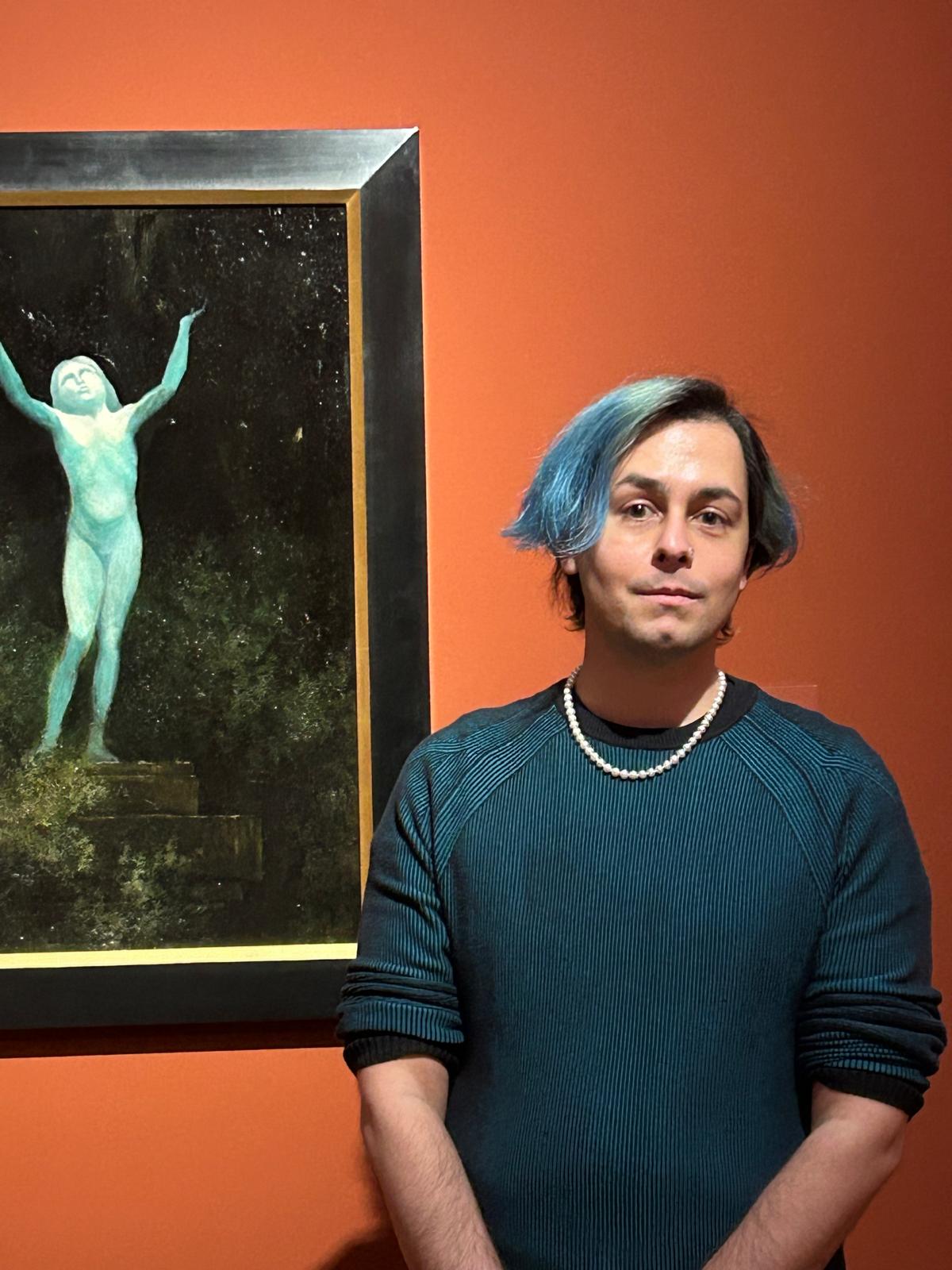
In this lecture, Kero Fichter explores this little-researched facet of art history and examines the relationship between art and pornography at the turn of the century. Explicit depictions of sex mostly appeared in works on paper, which were often published in small, exclusive editions under pseudonyms and bought predominantly by a male audience. It was in these private images that artists developed a variety of styles and motifs to engage with sexuality.
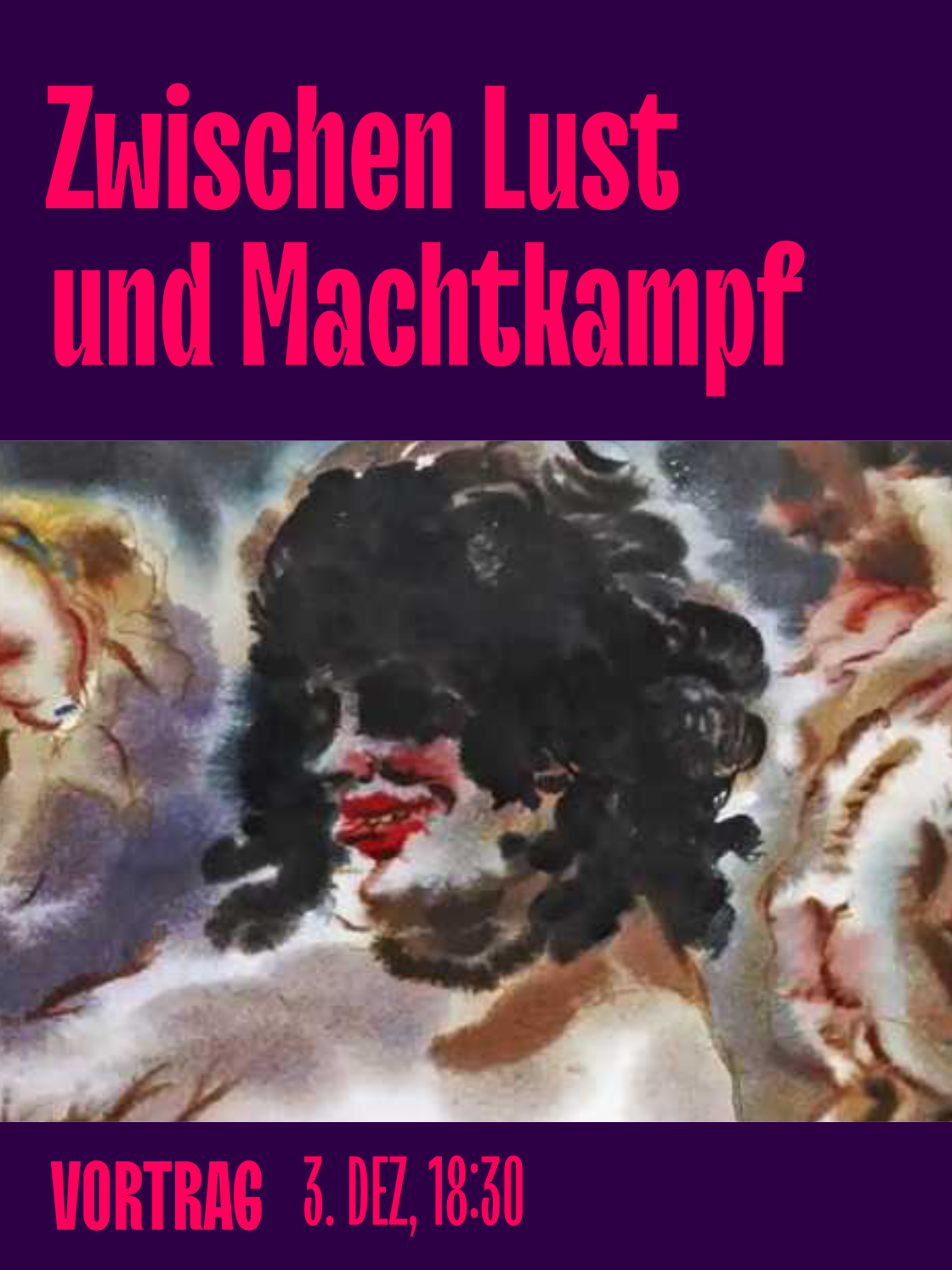
Artists such as Julius Klinger and Willi Geiger drew on the satirical tradition of pornography and populated their images with bizarre figures whose exaggerated physicality is anything but arousing. Artists such as Egon Schiele and George Grosz relied on disproportionate limbs and unnatural colours that could make sexual acts appear pathological. Franz von Bayros and Hanns Pellar, by contrast, transformed erotic scenes into ornamental fantasies of luxury and decadence. Many of these images frame sex as a patriarchal act of aggression, violence and transgression, which also connects to current debates on mainstream porn and the manosphere.
The works range from couples and groups to single figures and show a wide variety of sexual positions from penetrative intercourse to BDSM practices and autoerotic behaviour. Alongside predominantly heterosexual, cisgender motifs, a remarkable number of works deal with homosexual and trans themes. They point to a new awareness and increased visibility of non-heteronormative desire in the context of the homosexual emancipation movements of the early 20th century.
The images emerged in a contradictory social climate. Berlin, Munich and Vienna were centres of modern art and at the same time magnets for prostitution, erotic entertainment and queer subcultures. This stood in contrast to bourgeois morality and legislation that strictly regulated sexuality. Censorship and criminal prosecution made clear how contested the boundaries of what society deemed acceptable were. At the same time, the modern media of photography and film influenced traditional printmaking and drawing and opened up new ways of producing and distributing sexualised images.
The lecture also sheds light on the few works by women artists such as Lene Schneider-Kainer and Erika Plehn and asks whether women developed visual strategies of their own, distinct from those of their male colleagues.
Viewing these works as testimonies of modernity rather than as marginal phenomena opens up a new perspective on the art and cultural history of the early 20th century. The images tell of individual fantasies as well as social conflicts. They raise questions that remain relevant today: Who is allowed to depict sexuality? Which bodies and desires become visible and which are marginalised? And where does the line between art and pornography lie?
Please note: The lecture includes explicit pornographic imagery, some of which glorifies violence or contains misogynistic and racist content. The event is open to persons aged 18 and over only. Lecture for ages 18+ due to explicit content