


In Plain Sight: New Queer History
Research From Eastern Europe
Research From Eastern Europe
5 November, 6.30 pm
What can a century-old yellow press tell us about lesbian lives and deaths in the Habsburg Empire? How does one obtain a WWII diary of a Soviet partisan from a restricted archive? And how can queerness be traced in a socialist celebrity’s memoirs?
In this talk, Dr. Eszter Timar, Eugenia Seleznova, and Barbara Trojanowska will present and discuss their latest case studies and findings in Central and Eastern European queer history research. The speakers will introduce previously unknown queer stories spanning between Habsburg’ s Galicia, Stalin’s era Soviet Ukraine, and post-WWII Hungary. They will also share their methods and stories of locating and obtaining the sources. The talk will be moderated by Andreas Brunner and aimed for a wider, non-scholarly audience.
Dr. Eszter Timár
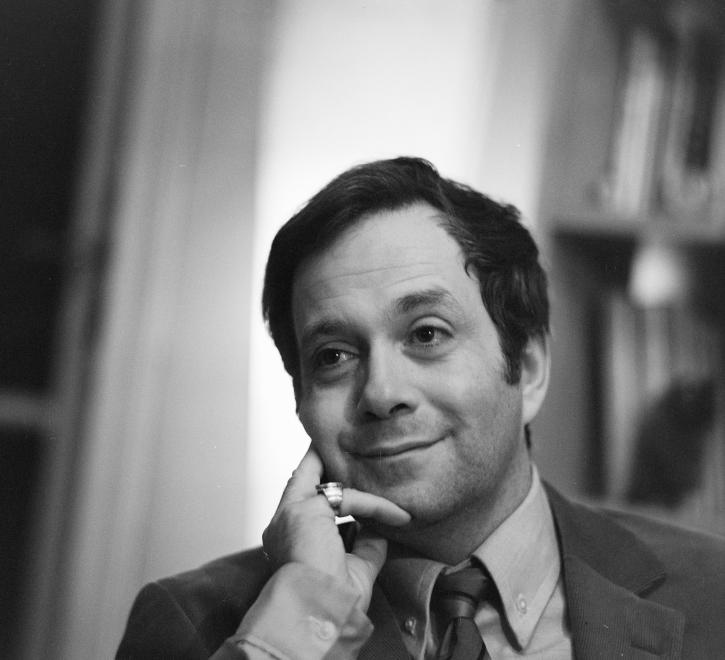
Dr. Eszter Timar is an Associate Professor at the Department of Gender Studies at Central European University, Vienna. Her research interests include queer theory, history of sexuality, literary theory, deconstruction, performativity, embodiment, and feminist theory. Her current work primarily focuses on deconstruction and Eastern European queer affect.
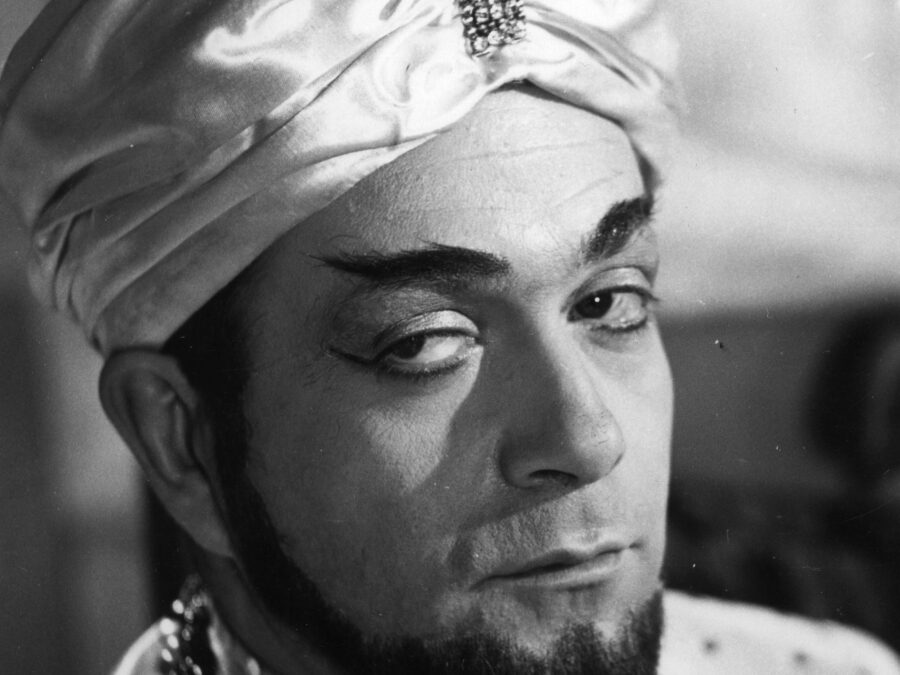
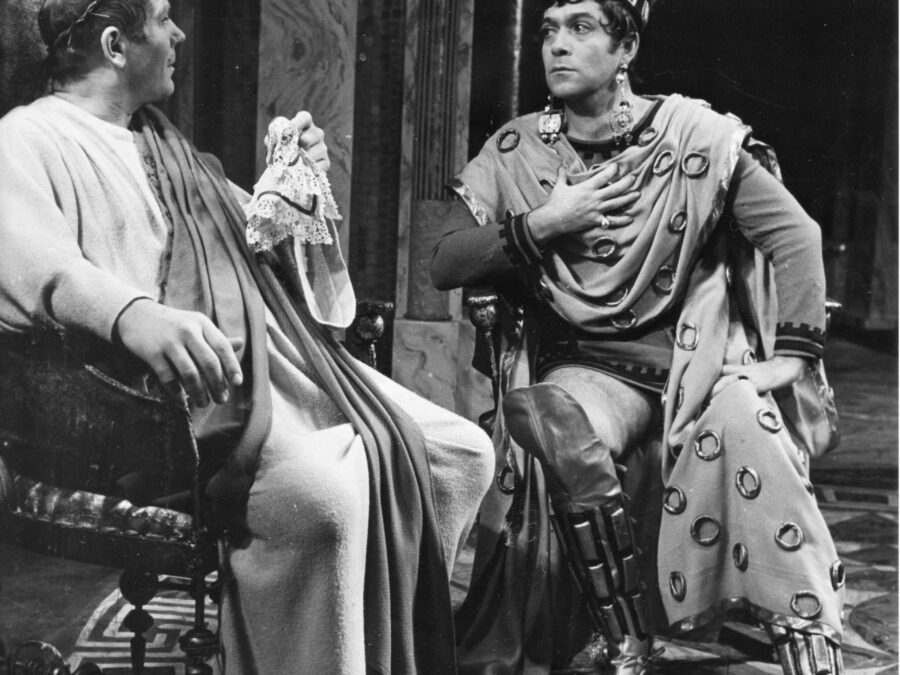
Dr. Timar will present the case of László Márkus, a prominent Hungarian actor who gained all-national popularity during the state socialism era. She will discuss Márkus’s possible closeted queerness and traces of queer resistance in his interview-based biography as well as some of his later TV performances.
Eugenia Seleznova
Eugenia Seleznova ist PhD-Kandidatin am Department of Gender Studies der Central European University in Wien. Außerdem ist sie als Autorin und Lektorin tätig.
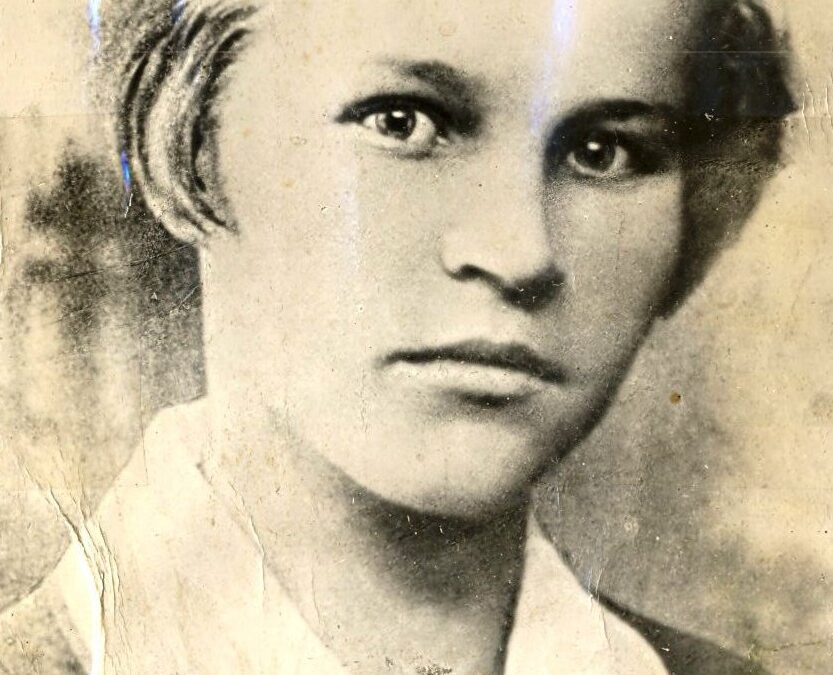
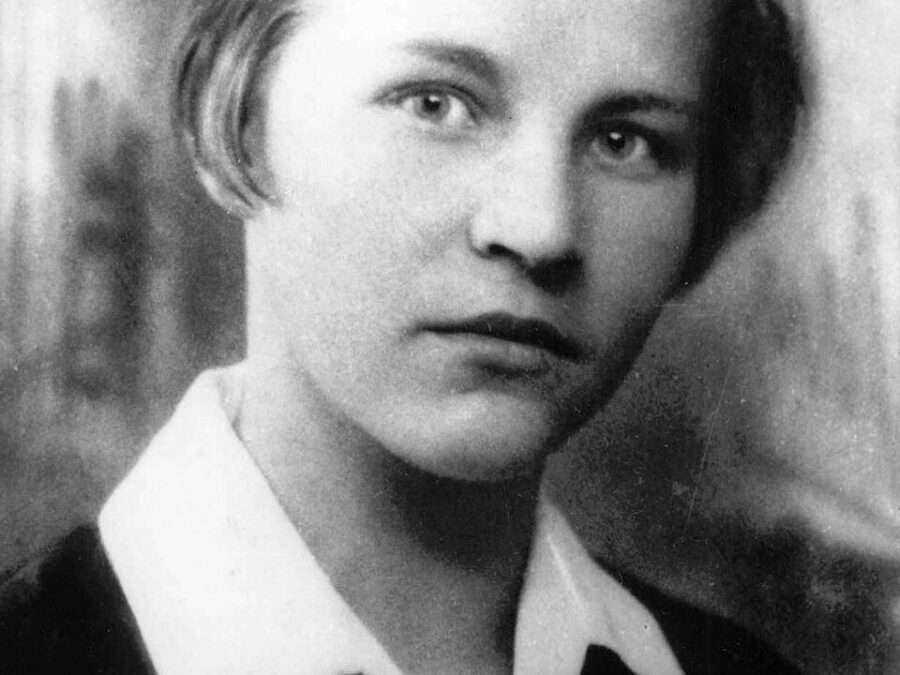
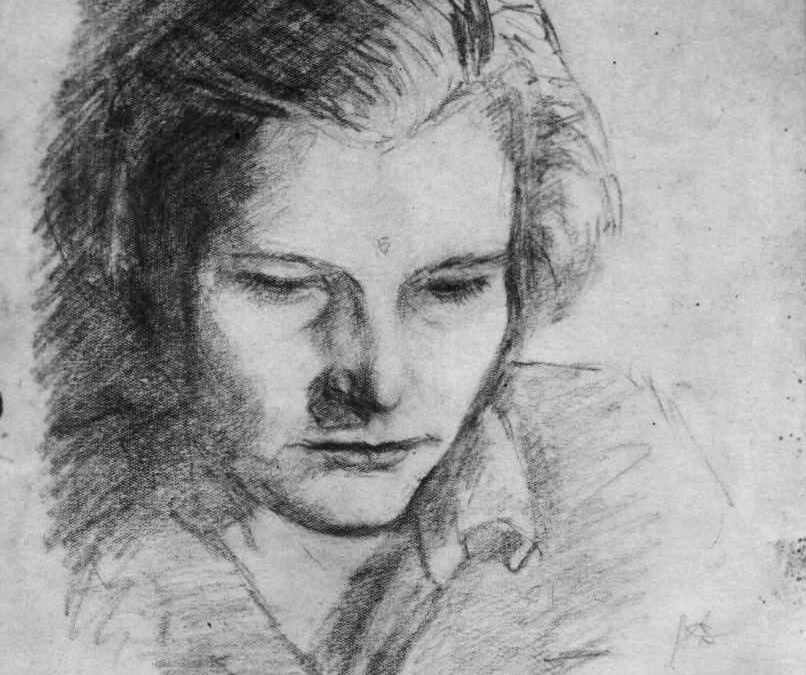
Eugenia stellt ihre Forschung zu Aleksandra „Shura“ Dubrovina vor, die im Zweiten Weltkrieg einer sowjetukrainischen Jugendwiderstandsgruppe angehörte und 1943 von den Nationalsozialisten gefangen genommen und hingerichtet wurde. Nach dem Krieg galt ihre Geschichte als Beispiel für Heldentum, ihre „leidenschaftliche Freundschaft“ mit ihrer Mitstreiterin Maya Peglivanova wurde jedoch weitgehend ausgelassen oder verzerrt dargestellt. Um den Fall zu rekonstruieren, trug Eugenia verstreute Berichte von Zeitzeug*innen und wenig bekannte literarische Texte zusammen, bis sie schließlich eine Kopie von Dubrovinas Tagebuch aus einem gesperrten Archivbestand erhielt.
Barbara Trojanowska
Barbara Trojanowska is a doctoral researcher at the Department of History and a member of the Queer and Feminist Studies working group at European University Institute, Florence.
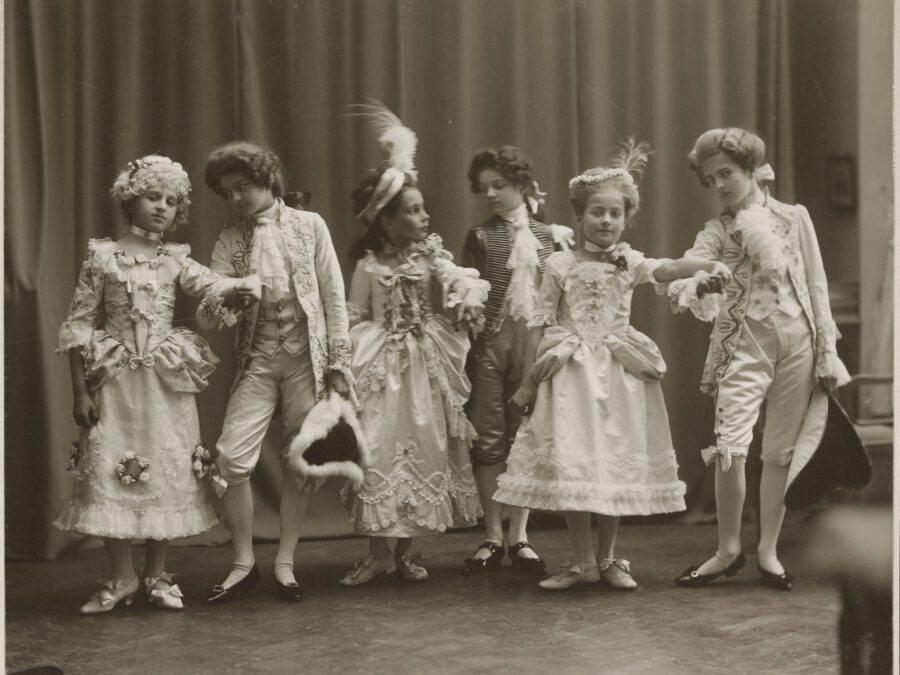
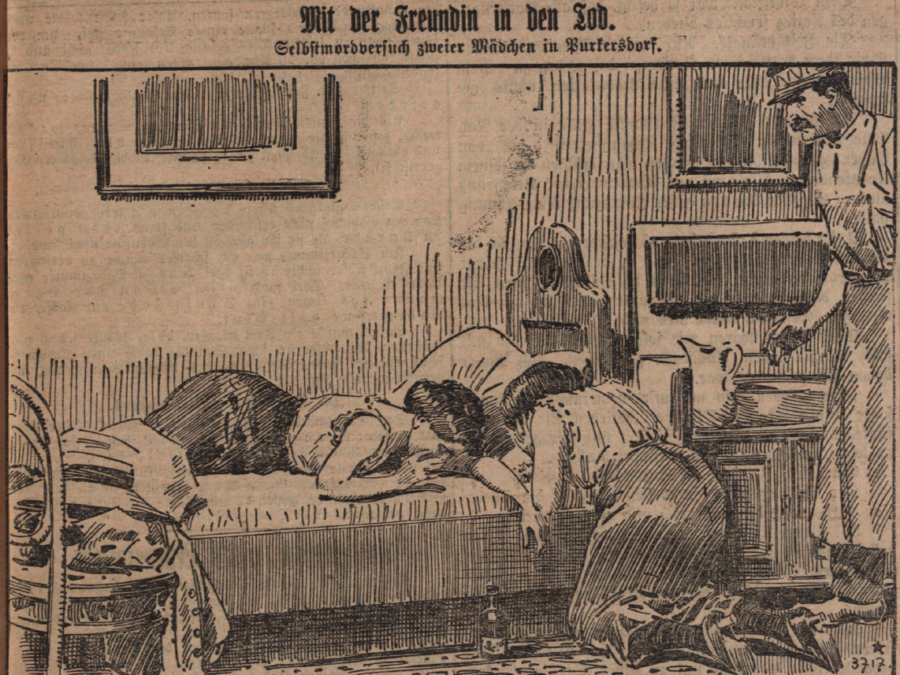
Barbara will present her findings from an archival research involving a wide range of Polish-language publications, from daily newspapers to medical and legal periodicals — a part of her ongoing research of women-loving women’s lives in the late Habsburg Galicia (parts of modern-day Poland and Ukraine) in 1880-1914. Barbara will discuss how women’s same-sex intimacy, emotion, and sexuality were framed in those publications, and how they were reflective of emerging ideas about female same-sex desire before the interwar period.